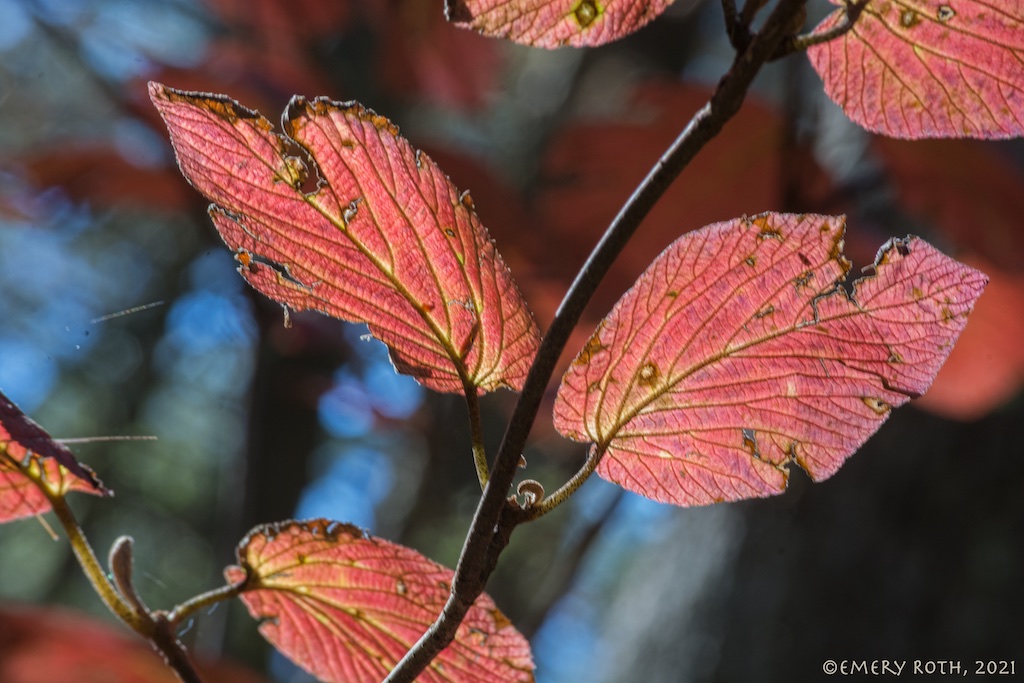
Thursday, July 7, 2022
The Torrington Company — 2
Monday, July 4, 2022
The Standard Plant, Torrington Company
Saturday, July 2, 2022
Washington Street Bridge
Iron bridges spanned the era between wood and steel. Those like the one on Washington Street are sometimes called “Pumpkin Seed” or “Bow String” bridges and were built throughout New England and beyond by the Berlin Iron Bridge Company. Officially known as lenticular truss bridges, they follow principles of a patented, “parabolic, lenticular, truss design employing paired elliptical arches connected at the ends and cross-braced between. The trusses which carried the loads used cast iron for compression members and wrought iron for tension. Berlin Iron and Bridge would build nearly 400 lenticular truss bridges throughout New England, NY, NJ, PA and as far away as Texas. The Washington Street bridge, built in 1879 when Berlin Bridge Company was still called the Corrugated Metal Company, is thought to be the earliest of them.
Monday, June 27, 2022
The Mad River, Waterbury
Saturday, June 25, 2022
Tuesday, June 21, 2022
Saturday, June 18, 2022
Friday, June 17, 2022
Thursday, June 16, 2022
Benedict & Burnham
Sunday, June 12, 2022
Friday, June 10, 2022
Through Factory Windows 6 & 7 — Cherished Views from the Corner Offices of American Brass Co., Waterbury
![]() |
| South Main Street Looking South to St. Francis Xavier Church |
![]() |
| South Main Street Looking North to St. Anne's Church |
Thursday, June 9, 2022
Through Factory Windows, 2011 — St. Anne's from the attic of the Holmes, Booth & Haydens Lampworks, Waterbury
Wednesday, June 8, 2022
Monday, June 6, 2022
Sunday, June 5, 2022
Saturday, June 4, 2022
Thursday, May 26, 2022
Monday, May 23, 2022
Friday, May 13, 2022
Friday, May 6, 2022
Thursday, April 28, 2022
Friday, April 22, 2022
Mt. Tom from Bronson Field Trail
| View Over Davies Hollow |
In the middle ground, just beyond the farm, at the base of the dark hill the Bantam River flows from right to left for a half mile through Davies Hollow before merging into the Shepaug. The Davies family were the first to settle the Hollow and helped establish St. John's Episcopal Church there before Davies land was confiscated during the Revolution.
In 1871 Shepaug Railroad would begin running along a roadbed that still follows the river. There was a stop just beyond the farm at a platform they named "Romford" for the gentleman who lived there, Romulus Ford. He was an investor on the board of the Shepaug Railroad and merited a stop made from his name.


.jpg)
.jpg)


.jpg)


.jpg)